
| UF Faculty | Department | College | |
|---|---|---|---|
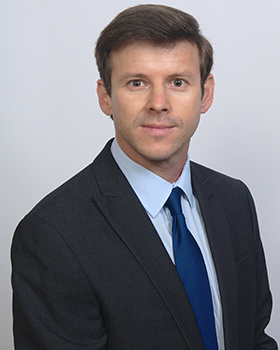 |
Marcio Nunes | Soil, Water, and Ecosystem Sciences | College of Agricultural and Life Sciences |
| Partner Faculty | Department | Partner Institution | |
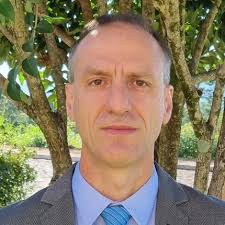 |
Paulo S. Pavinato | ESALQ - Soil Science | University of São Paulo |
Title:
Management of Tropical Soils
Project Description:
This project is based on the course SWS 5132 – Tropical Soils Management that I teach at the UF, Soils, Water and Ecosystem Sciences Department at a Graduate level, which was also offered at USP, a major university in Brazil. My partner (Dr. Pavinato) brought to the course his expertise on soil fertility and food and soil security, while I focused on the other aspects of the course. That improved the quality of the course, particularly for the students interested in improving food production in the tropics. This 3-credit course is designed for students interested in the principles of management of soils under tropical environments. First, we focus on the basic aspects of tropical soils, such as their functions in society, taxonomy and classification, mineralogy, physical and biological properties, and principles of soil fertility. After, we discuss management strategies to improve food production while mitigating climate change and degradation of properties, processes, and functions of tropical soils (e.g., erosion, compaction, acidification). We emphasize principles of sustainable agriculture, soil health, and circular agriculture practices. The students obtain skills applicable to agriculture, soil science, soil health, agronomy, environmental science, and other related disciplines.
Learning Outcomes:
The overall goal is to provide students with a deep understanding of the diversity and variability of tropical soils and their agronomic and ecological practical applications.
- Knowledge - To gain knowledge of the diversity and variability of culture, people, and problems that we have in the tropics. To gain knowledge of the diversity/variability of soils in the tropics, e.g., physical, chemical, and mineralogical properties. To learn strategies to improve and/or sustain soil functions under tropical conditions. To learn concepts and principles of sustainable agriculture applicable to tropical soils and their implication on global challenges. To learn, discuss, and implement sustainable management practices for tropical environments.
- Attitudes - Discuss the diversity and variability of culture, people, and problems that we have in the tropics, and propose solutions. Study and teach the diversity of soils in the tropics, which will include lectures from the professors and discussions among students. Discuss and develop strategies to improve and/or sustain soil functions under tropical conditions. In the classroom (Zoom meetings) and after class, discuss the concepts and principles of sustainable agriculture applicable to tropical soils and their implication on global challenges. Develop a plan to apply/implement sustainable management practices for tropical environments. This will involve meetings and discussions among all the students.
- Skills - Select and summarize the diversity of soils in the tropics. Develop strategies to improve and/or sustain soil functions under tropical conditions. Argue and analyze concepts and principles of sustainable agriculture applicable to tropical soils and their implication on global challenges. Identify and implement or apply sustainable management practices for tropical environments.
Participating Countries:
Brazil
Number of Participants:
6 UF students; 10 from the University of São Paulo
Discipline:
Agriculture and Life Sciences
UF Course Code & Name:
SWS5132 - Management of Tropical Soils
Project Duration:
15 weeks
Activity Type(s):
Student-to-Student Dialogue
Student-to-Student Project
Virtual Guest Speaker
Student-to-Student Project
Virtual Guest Speaker
Time allotted to each activity:
Synchronous Activities: 3 hours/week
Asynchronous Activities: 3 hours/week
Local Group Activities: 3 hours/week
Individual Work: 3 hours/week
Asynchronous Activities: 3 hours/week
Local Group Activities: 3 hours/week
Individual Work: 3 hours/week
Technology Tools:
Zoom
IFAS Simplified Canvas
Google Meetings
WhatsApp
Google Drive
IFAS Simplified Canvas
Google Meetings
Google Drive
Sequence of Activities:
1. Icebreaker - introduction (both technical and fun fact related to agricultural sciences)
2. Collaborative projects developed by students.
3. Seminars, questions and final projects developed by groups of students.